Notes from the draw area
How harvest pace moves local basis calls
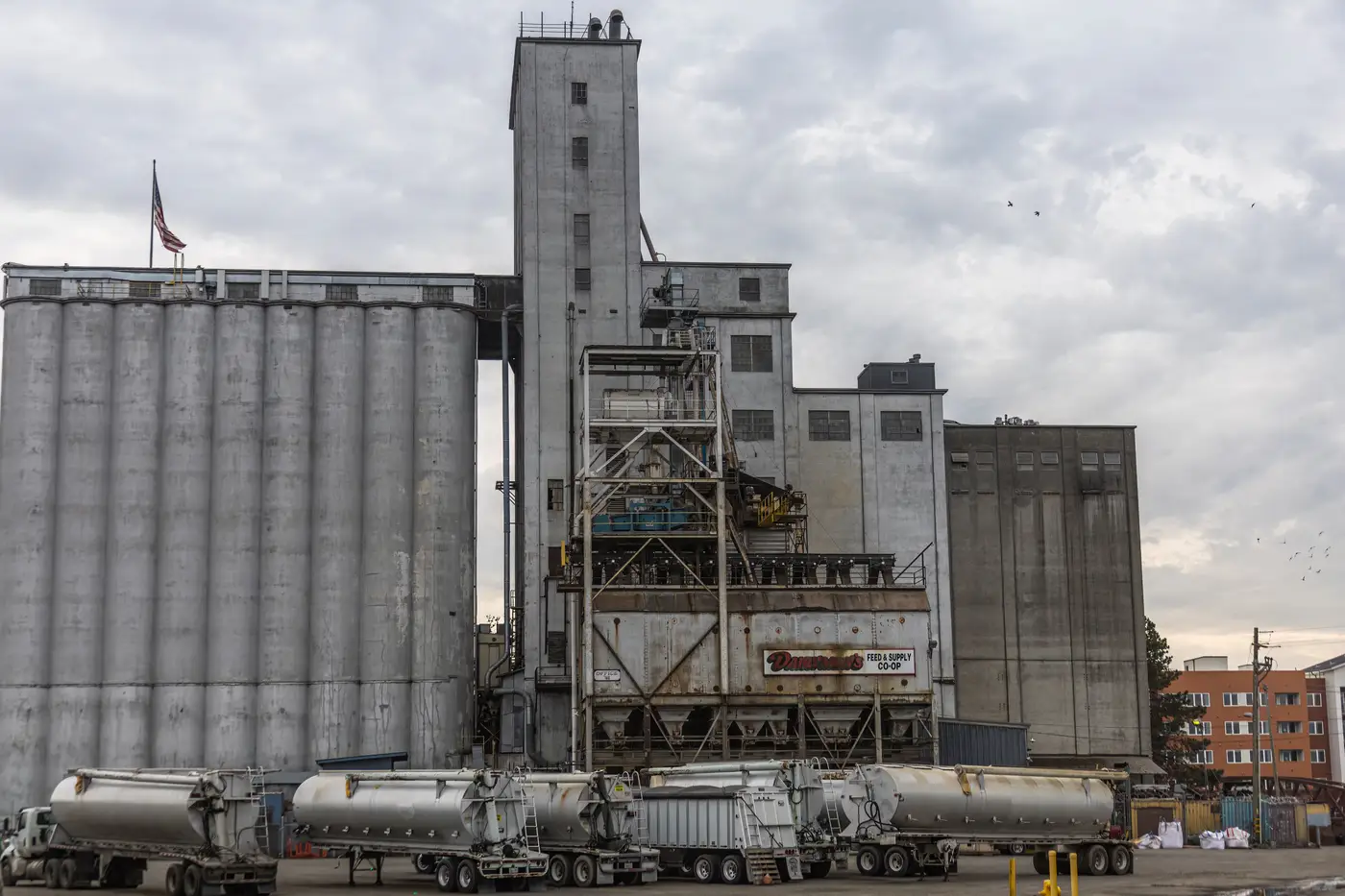
Basis doesn't move because the USDA says the state is at 60 percent harvested. It moves because forty trucks showed up at your scale house on Tuesday and your dryers are already running flat out. Pace, not total production, is what a local merchandiser is reacting to when the basis call goes out each morning.
Basis is a logistics number wearing a price number's clothes
A cash grain bid is the board price plus or minus basis, and basis is the part that reflects your situation, not the whole market's. Storage space, drying capacity, truck lines, rail car availability, and how many bushels are physically committed to move through your facility this week all sit inside that number. When an elevator widens basis, it's rarely saying "the crop is bigger than we thought." It's usually saying "we cannot take grain in as fast as it wants to arrive, so the discount has to grow to slow the trucks down or ration the space we've got."
That's why two elevators forty miles apart, sitting in the same county with the same statewide crop progress number, can post basis fifteen cents apart on the same day. One of them has a harvest front that hit hard and early across its draw area. The other's front is still three weeks out.
Why pace outruns yield when the calls get made
A county can finish the season at exactly trend yield and still see basis blow out mid-harvest, because the problem was never how much grain existed. It was how much of it tried to hit the scale house in the same seventy-two hour window. Drying capacity is fixed. Bin space is fixed in the short run. When the harvested-area front moves fast across a draw area, bushels that would have arrived over six weeks arrive over ten days, and the elevator basis adjustment reflects that bottleneck, not the bushel count.
The reverse holds too. A slow, staggered harvest, stretched out by a wet September or a run of equipment breakdowns across the draw area, lets an elevator take grain in on pace with its drying and storage. Basis can hold firm or even tighten in that scenario, even against a larger crop, because the flow never outran the facility.
Reading the front before the trucks tell you
Most merchandisers piece this together the hard way: calls to neighboring elevators, farmer chatter at the coffee shop, a crop progress bulletin written for the whole state that lumps a draw area moving fast in with one three counties over that hasn't started. By the time the pace shows up as a line of trucks, the basis call is already reactive instead of planned.
A weekly read on how far the harvested-area front has moved across your own draw area gives you that information a week or two ahead of the trucks, built from wide-swath satellite passes rather than phone calls. You see the percent-harvested line creeping across your specific pull radius, not the county average, before it shows up as congestion at the pit.
What to watch for when calling basis this week
Basis widening at harvest almost always traces back to one of two things: a harvest front moving faster across your draw area than your dryers and bins can absorb, or a competing elevator pulling bushels toward itself with a stronger bid. The first one you can see coming if you're tracking pace by draw area instead of by state bulletin. The second you catch by watching your neighbor's posted bid, which is a different problem for a different Tuesday.
If the front stalls, whether from rain, breakdowns, or a farmer holding out for a better board price, that's usually when basis firms back up. An elevator that needs bushels to cover a forward sale will narrow the discount to pull grain in faster than the slowed pace would otherwise deliver.
None of this requires guessing. It requires knowing where the cut actually sits across the ground that feeds your facility, this week, not last month's bulletin. Set your basis calls against your own draw area's pace, and the scale house stops surprising you.