Notes from the draw area
Notes on intake, scheduling and harvest reporting for people who run an elevator's receiving side.
- Unit train loading vs daily truck receiving: balancing both at harvest
How grain elevators keep unit train loading windows and daily truck receiving from colliding during harvest, and what makes the balance hold.
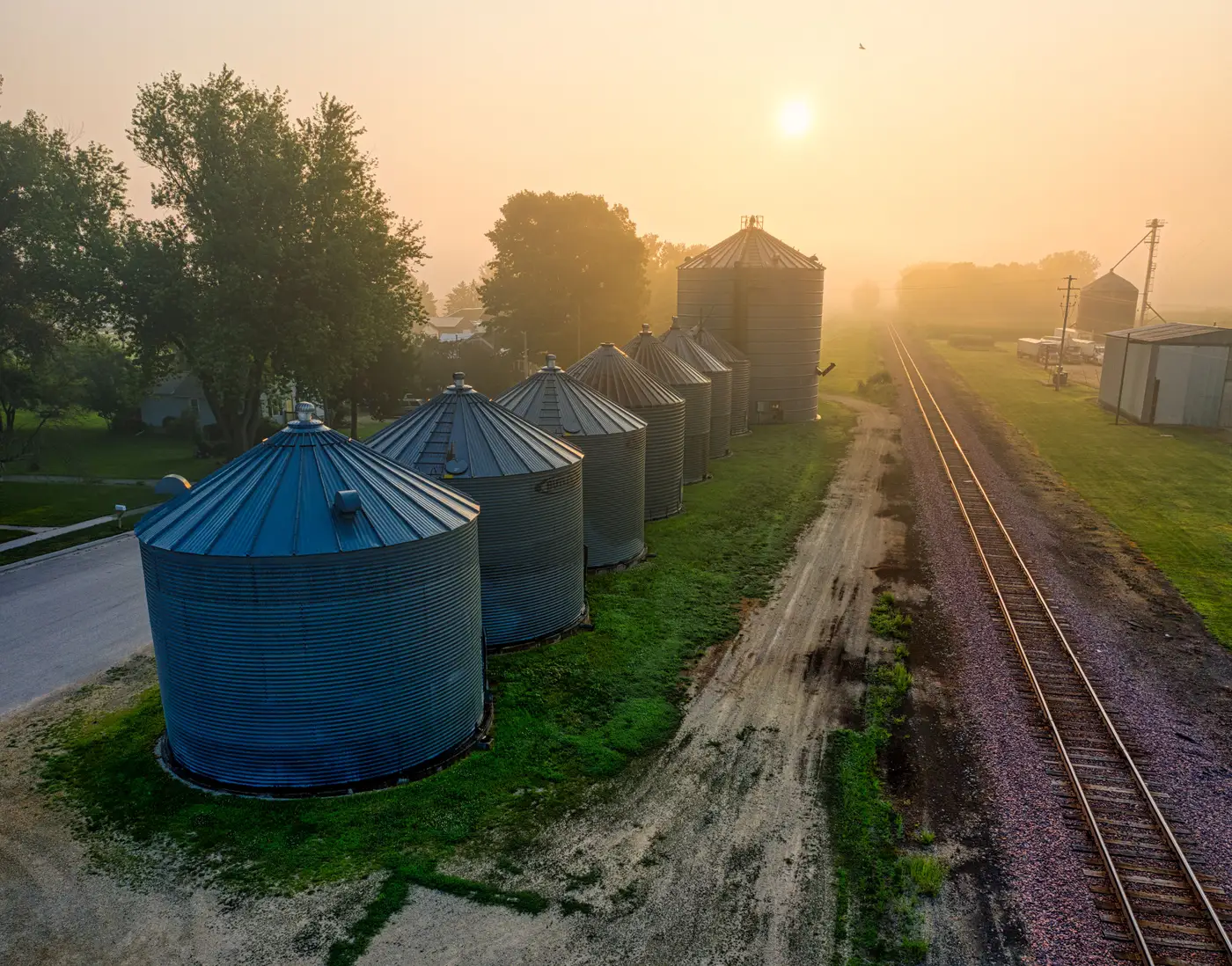
- What is elevator shrink, and why it matters at intake
A grain buyer's guide to shrink factor at intake: moisture shrink, handling shrink, and how the math changes what a load nets.
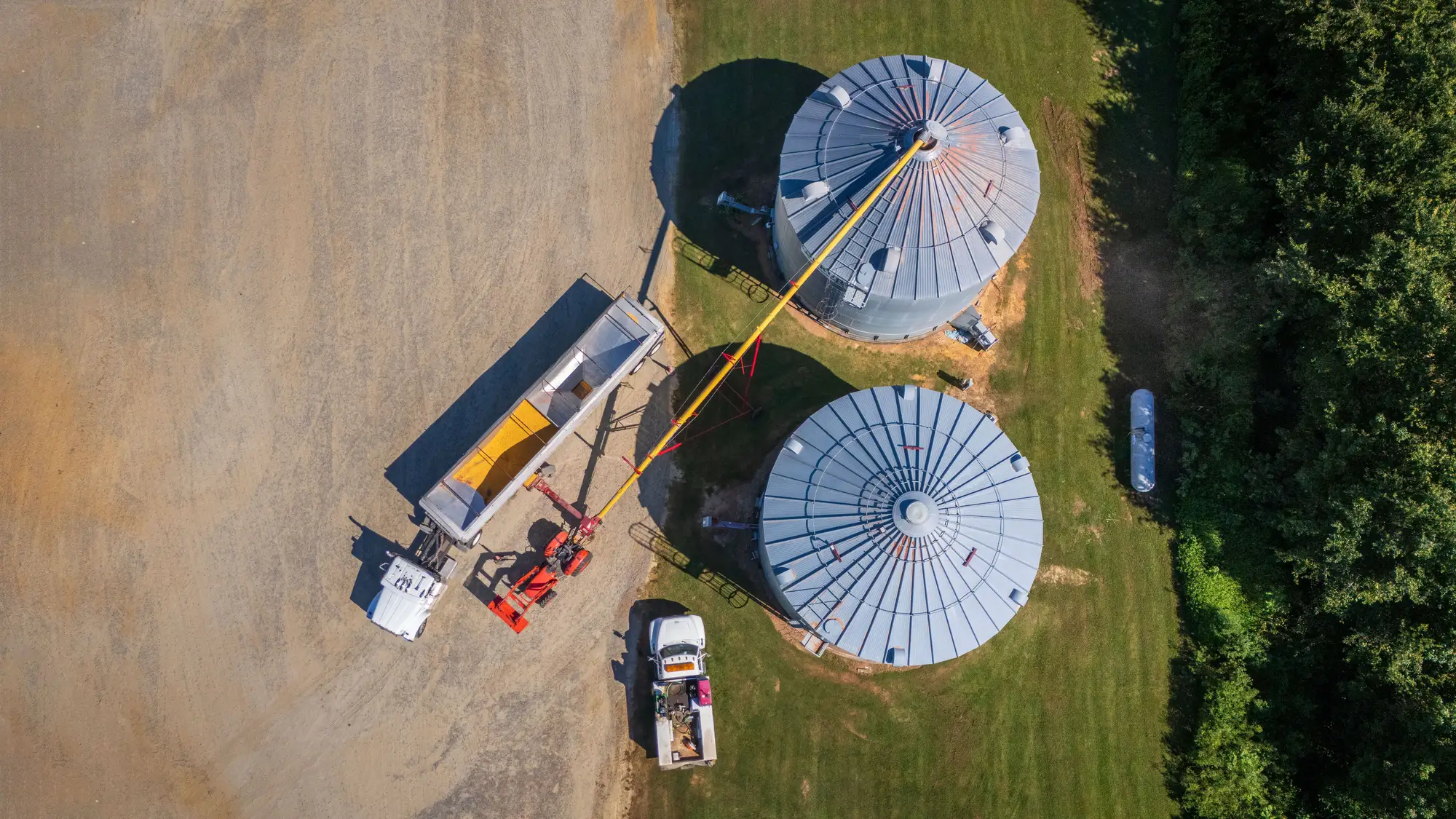
- Field notes: the week hail flattened the north end and the front stopped
A hail cell stalled the harvest front on the north end of our draw area for ten days. Notes on what that looked like from the scale house.
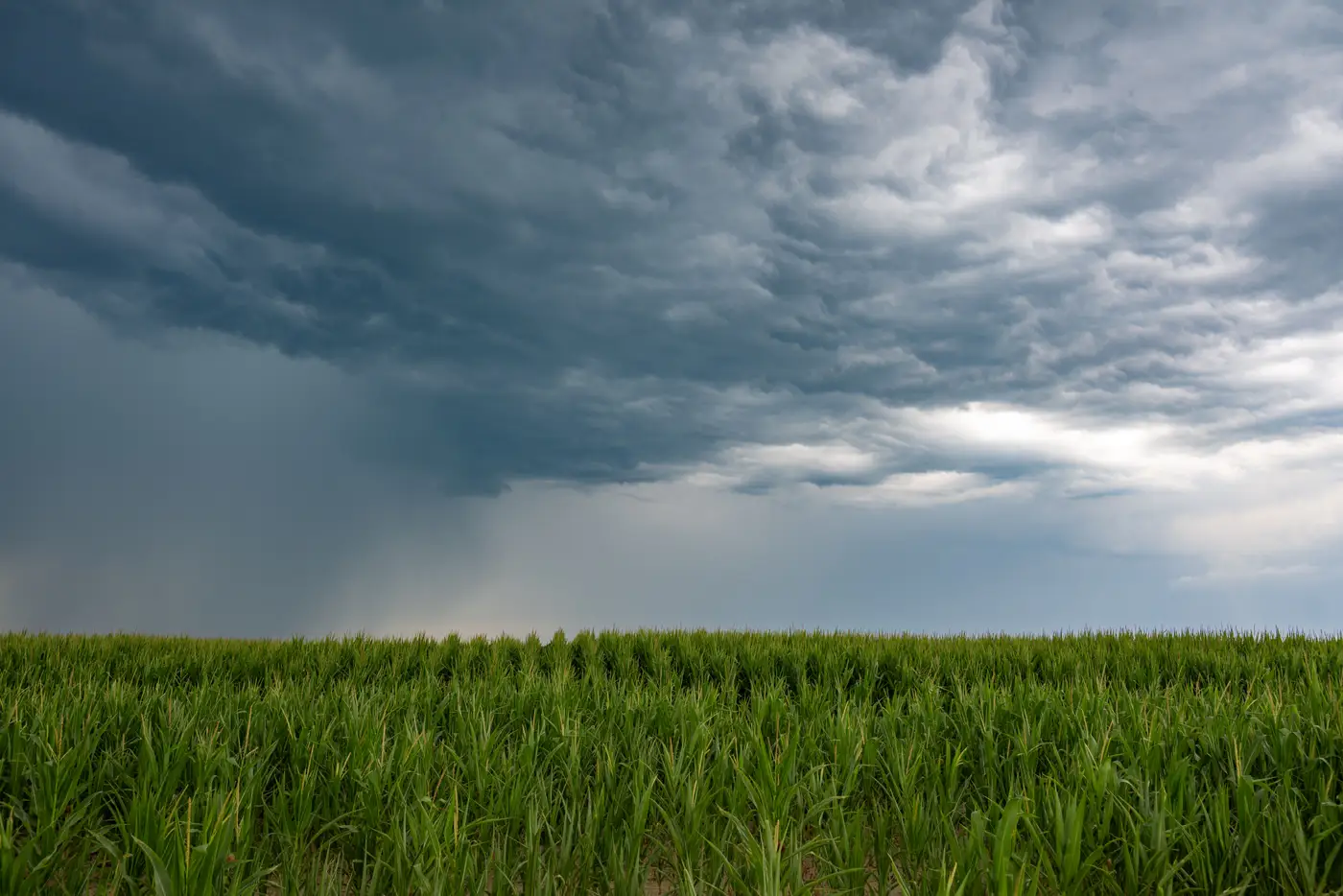
- What cloud cover does to your weekly percent-harvested layer
Why a cloudy week can hold a percent-harvested map flat, and how to read the layer when satellite passes get blocked.
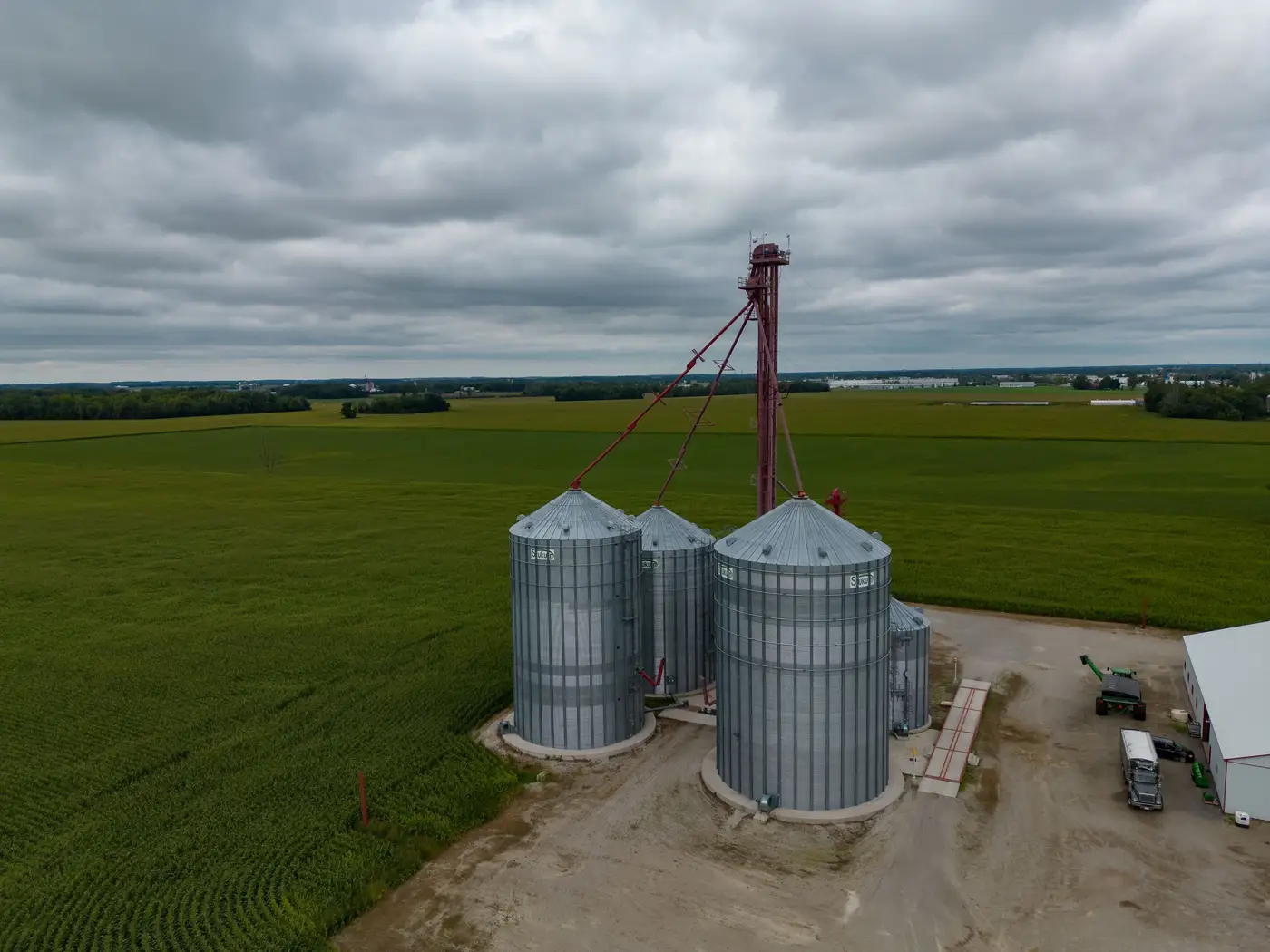
- Corn harvest vs soybean harvest: why the front moves at different speeds
Corn and soybean fronts cross a draw area at different paces and need different drying calls. Here's what that means for scheduling trucks and dryers.
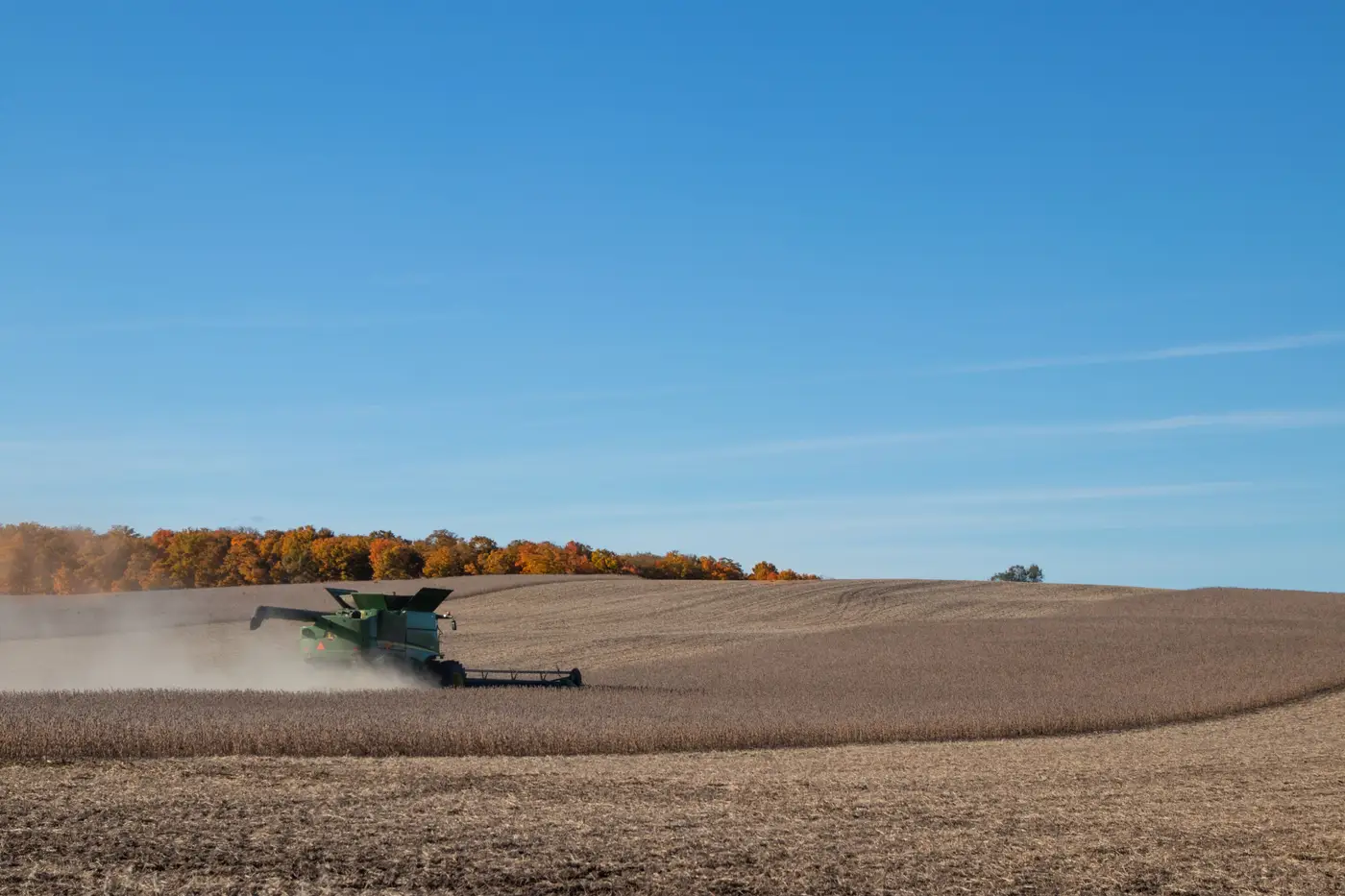
- What is a harvest front, and how fast does it actually move?
A harvest front is the moving edge between cut and standing fields. Here's what drives its speed and why it varies so much by week.
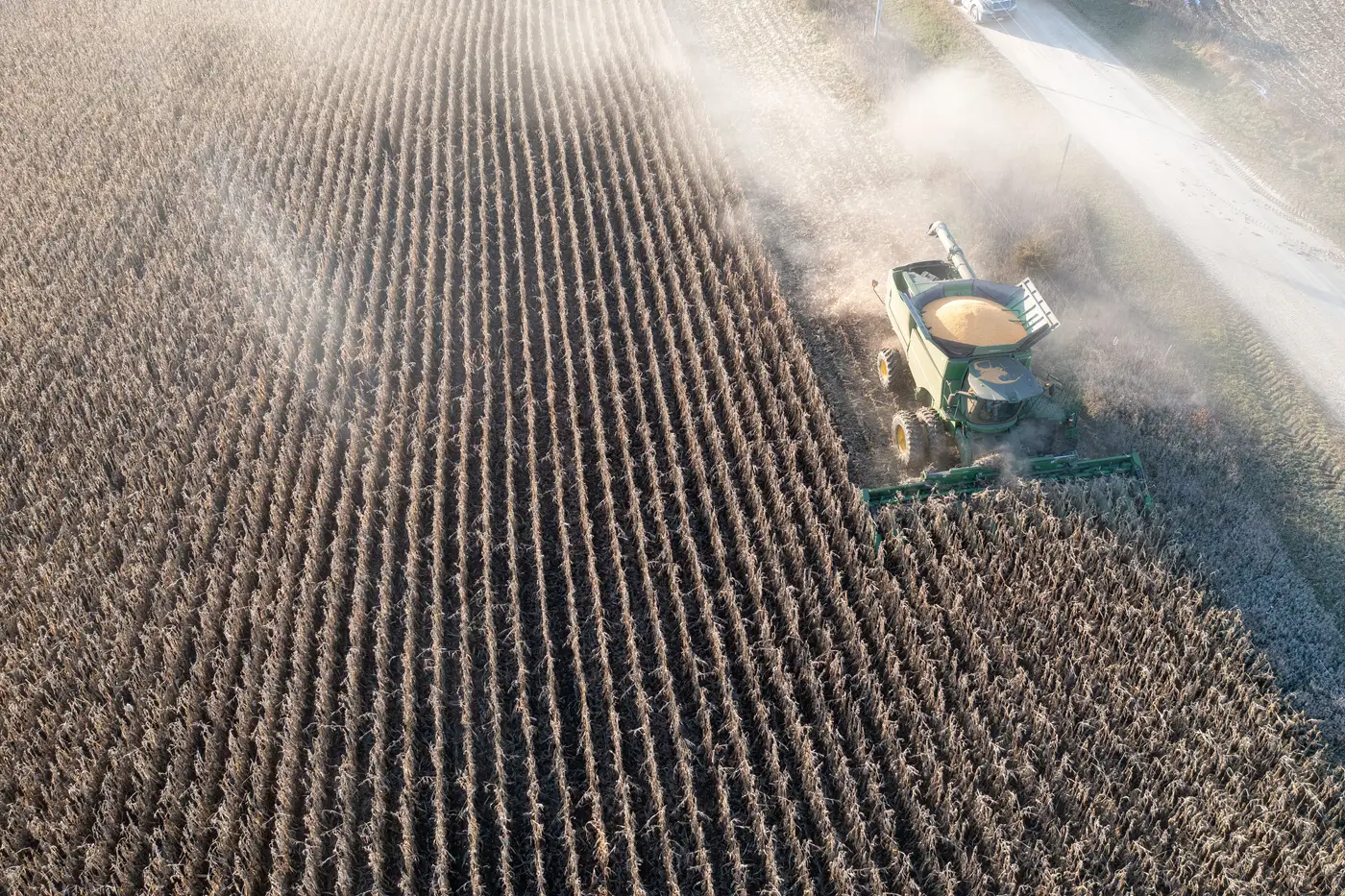
- Double-crop vs full-season soybeans: why some draw areas get two harvest fronts a year
Why wheat ground splits your draw area's bean harvest into two separate fronts, and how to schedule intake around both.
- Field notes: the afternoon every truck in the county shows up at once
A field-notes look at why every truck in the county seems to hit the scale house the same afternoon, and what drives the timing.
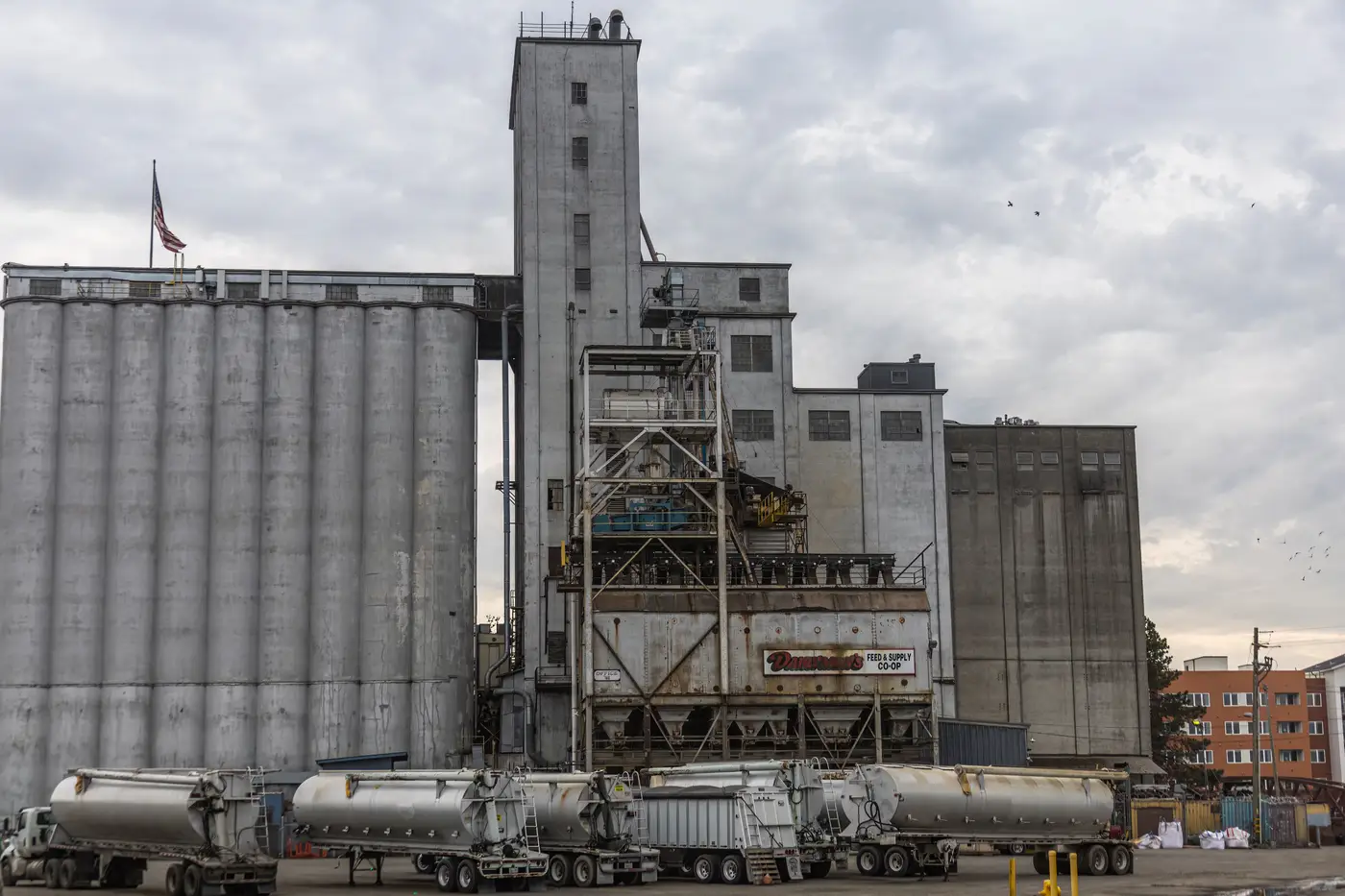
- How harvest pace moves local basis calls
Why your cash grain bid moves with how fast the cut crosses your draw area, not just total bushels, and how elevators set basis at harvest.
- Sizing temporary storage before an early harvest hits
How to size grain bags or ground piles for overflow before an early harvest, with a quick way to estimate bushels and timing.
- Field notes: two counties, three days apart, one schedule caught flat
A field-notes look at why a three-day gap between two counties' harvest finish dates still catches truck schedules off guard every fall.
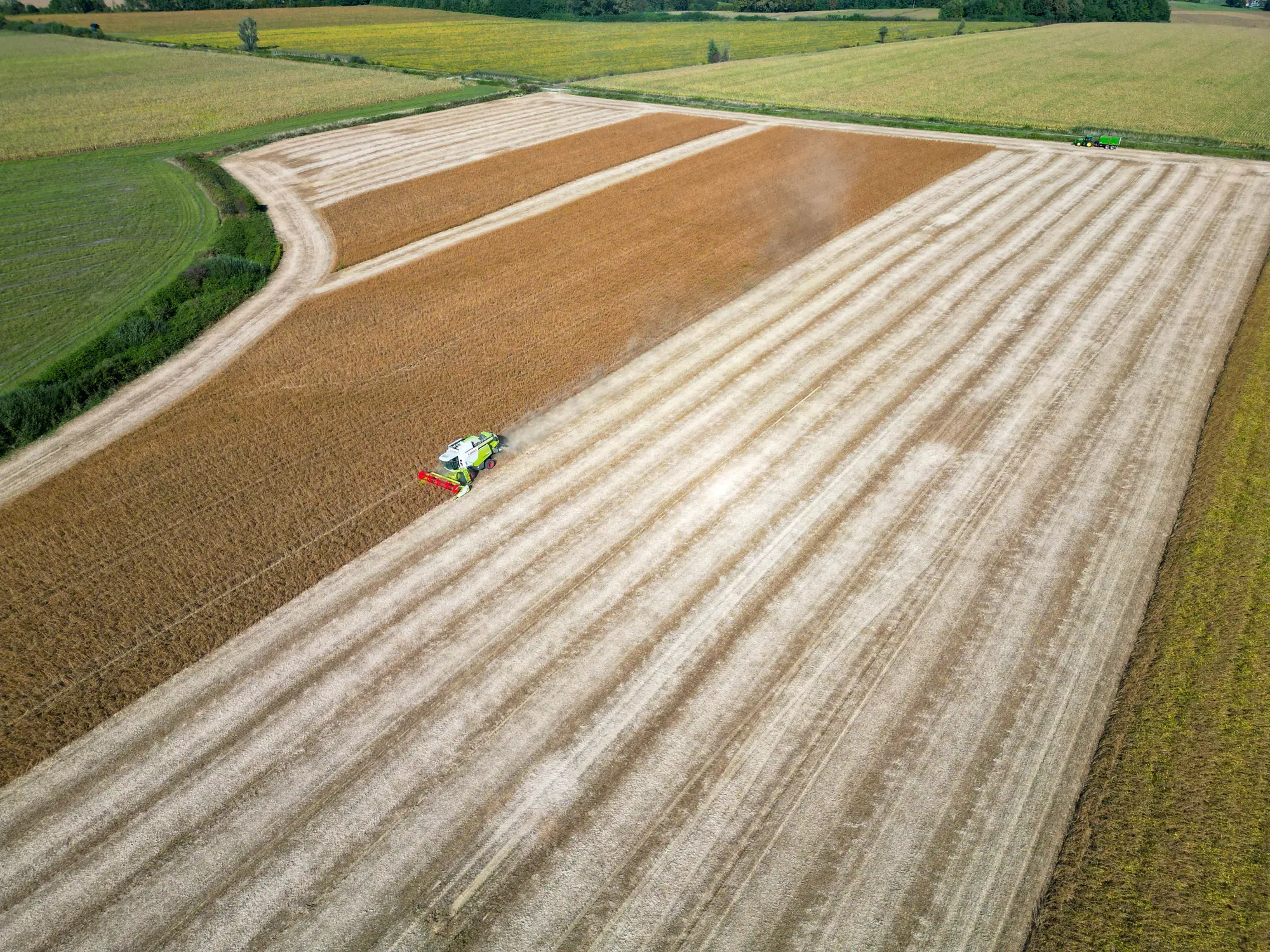
- Percent harvested vs. bushels delivered: reading the gap at your elevator
Why percent harvested and bushels delivered rarely match, and what a widening gap tells an elevator manager about trucks still to come.
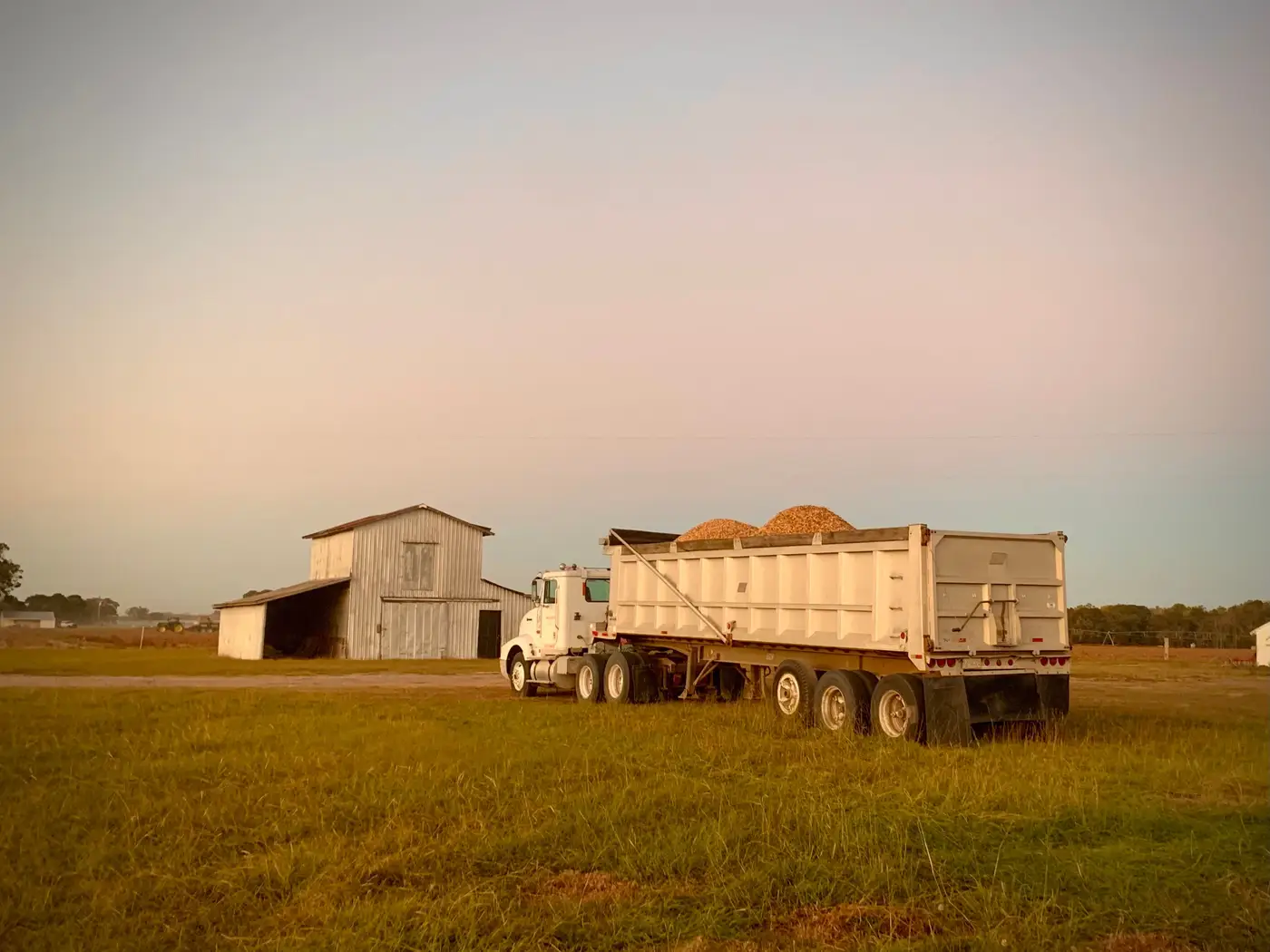
- How many acres can a combine fleet cut per day?
How to estimate combine fleet acres per day, the formula behind it, and why that math alone won't tell you your draw area's harvest pace.
- What is combine downtime, and why it skews a harvest pace estimate
Combine downtime from weather, moisture, and equipment skews harvest pace estimates. Here's why, and how to read a stalled front correctly.
- Dockage vs. moisture discount: what's hitting your settlement sheet
Dockage and moisture discounts both cut your settlement sheet, but they measure different things. Here's how each one works and why it matters.
- How many trucks can a scale house process per hour?
A practical look at scale house throughput at harvest: what sets truck turn time, where the bottleneck forms, and how to plan around it.
- Crop progress bulletins vs. a draw-area view of harvest
State crop progress bulletins cover the whole state. Here's why that falls short for scheduling intake, and what a draw-area view gives you instead.
- How to estimate drying capacity before harvest hits
How to estimate the drying capacity you'll need this fall, from bushel math to matching dryer throughput against truck arrival timing.
- Satellite imagery vs. phoning elevators for harvest updates
A look at how grain elevators track neighboring harvest progress today, and where wide-swath satellite passes fit against the phone chain.
- What is a draw area for a grain elevator?
A grain elevator draw area defined in plain terms, plus how to set your draw radius for scheduling and drying decisions.
- How to read a state crop progress bulletin (and where it runs out)
What a state crop progress bulletin actually reports, and why its resolution stops short of a single draw area.