Notes from the draw area
How many trucks can a scale house process per hour?
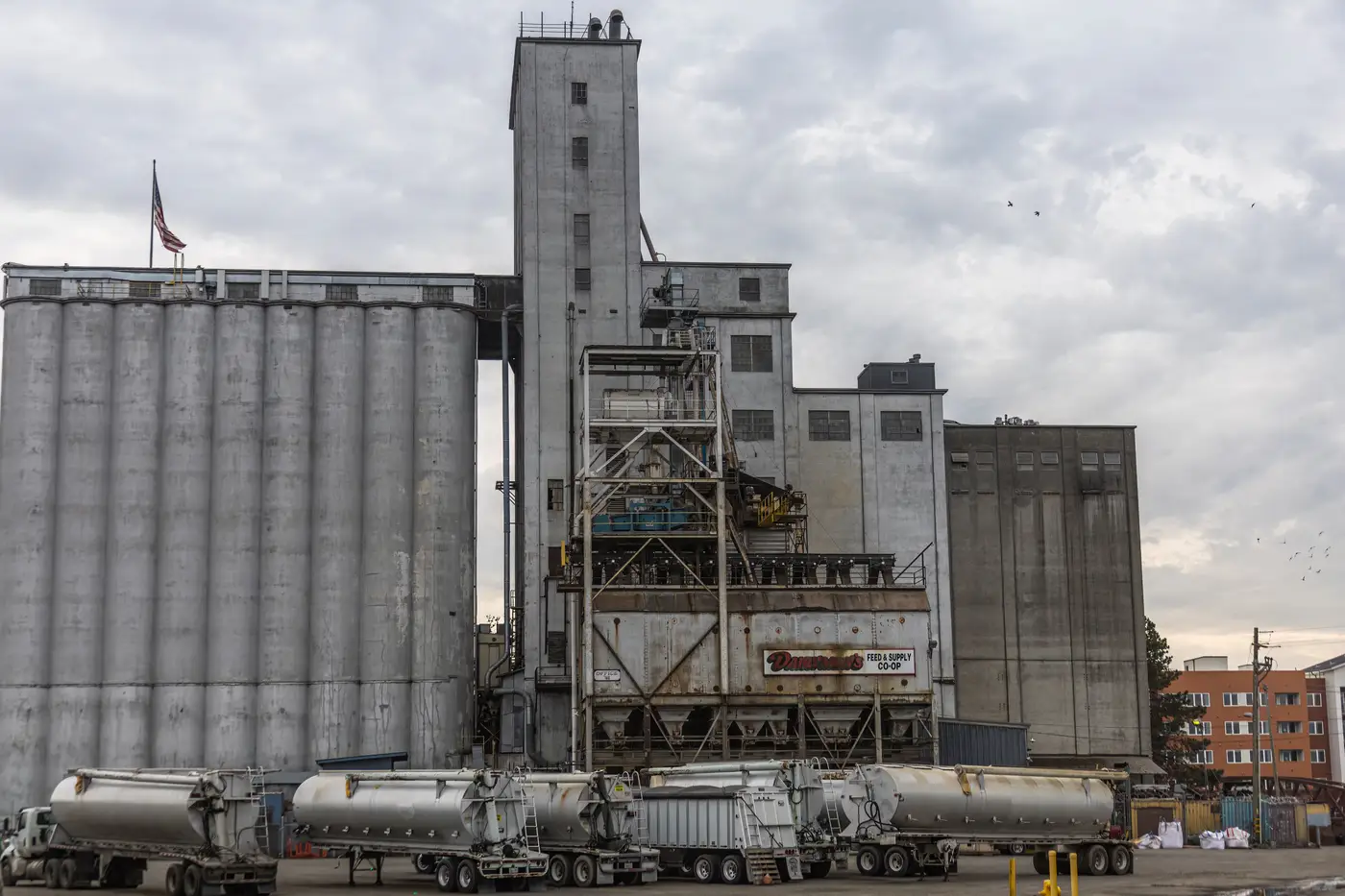
Why the answer is "it depends," and what it depends on
Ask five elevator managers how many trucks a scale house can run through in an hour and you'll get five different numbers, because the limiting factor usually isn't the scale itself. It's everything downstream of it: probe time, grading, the dump pit, and whatever's backed up at the dryer.
A bare-bones setup with one inbound scale, one probe, and a single dump pit is doing well to clear 15 to 25 trucks an hour during soybean harvest, when moisture checks are quick and grading is simple. Drop into corn with variable moisture and that number comes down, because every load that needs a second probe pull or a dryer-bin decision adds a minute or two to the stack. Run the math yourself: if a truck needs three minutes from scale-in to scale-out, one lane turns about 20 trucks an hour. Add a second probe or a second dump pit and you're not doubling throughput, you're usually adding somewhere between 40 and 70 percent, because the pit and the leg underneath it become the new ceiling.
Multi-lane terminals with automated probing and two or three dump pits running in parallel can clear well past that, but most country elevators aren't built that way, and the ones that are still hit the same wall once the dryer backs up.
Where the real bottleneck shows up
The scale house rarely fails on its own. What stacks up trucks on the road is usually one of three things:
- The dump pit can't clear fast enough, usually because the leg or the dryer behind it is already full and the pit is waiting on somewhere to put grain.
- Grading takes longer than the paperwork, especially early and late in the harvest window when moisture swings load to load and every truck needs a judgment call instead of a routine pass-through.
- Trucks arrive in a clump instead of a steady stream, because three farms all finished the same field on the same afternoon and sent trucks at the same time.
That last one is the piece an elevator manager can do something about before it happens. The first two are mechanical and staffing limits you live with on a given day. The third is a scheduling problem, and it's the one that gets solved (or doesn't) with a phone call to the farm, or a guess based on last year's timing.
Turn time is a scheduling input, not just a shop-floor metric
Once you know your realistic turn time per lane, the question stops being "how fast is our scale house" and becomes "how many trucks are actually going to show up in a given hour, and when." Those are two different problems. One is fixed by your equipment and crew. The other is set by whoever's combining right now across your draw area, and that's the part most elevators are still tracking by phone, by habit, or by a state crop progress bulletin that's three counties too broad to be useful.
If you know a farm forty minutes out finished their last quarter section yesterday, you know roughly when that grain hits your scale, and you can stagger truck scheduling or free up a second dump pit ahead of the rush instead of reacting to a line of trucks idling on the road. A region-wide view of how far the harvested-area front has moved across your draw area is built for exactly that gap, updated weekly through the season so you're not calling five elevators or guessing from a statewide bulletin to figure out who's cutting and who isn't.
Scale house capacity is what it is on any given day. What you can control is whether the trucks that show up are the ones you planned for.
If your draw area has been the hard part to track this season, see what Harvest Progress shows for it.