Notes from the draw area
Percent harvested vs. bushels delivered: reading the gap at your elevator
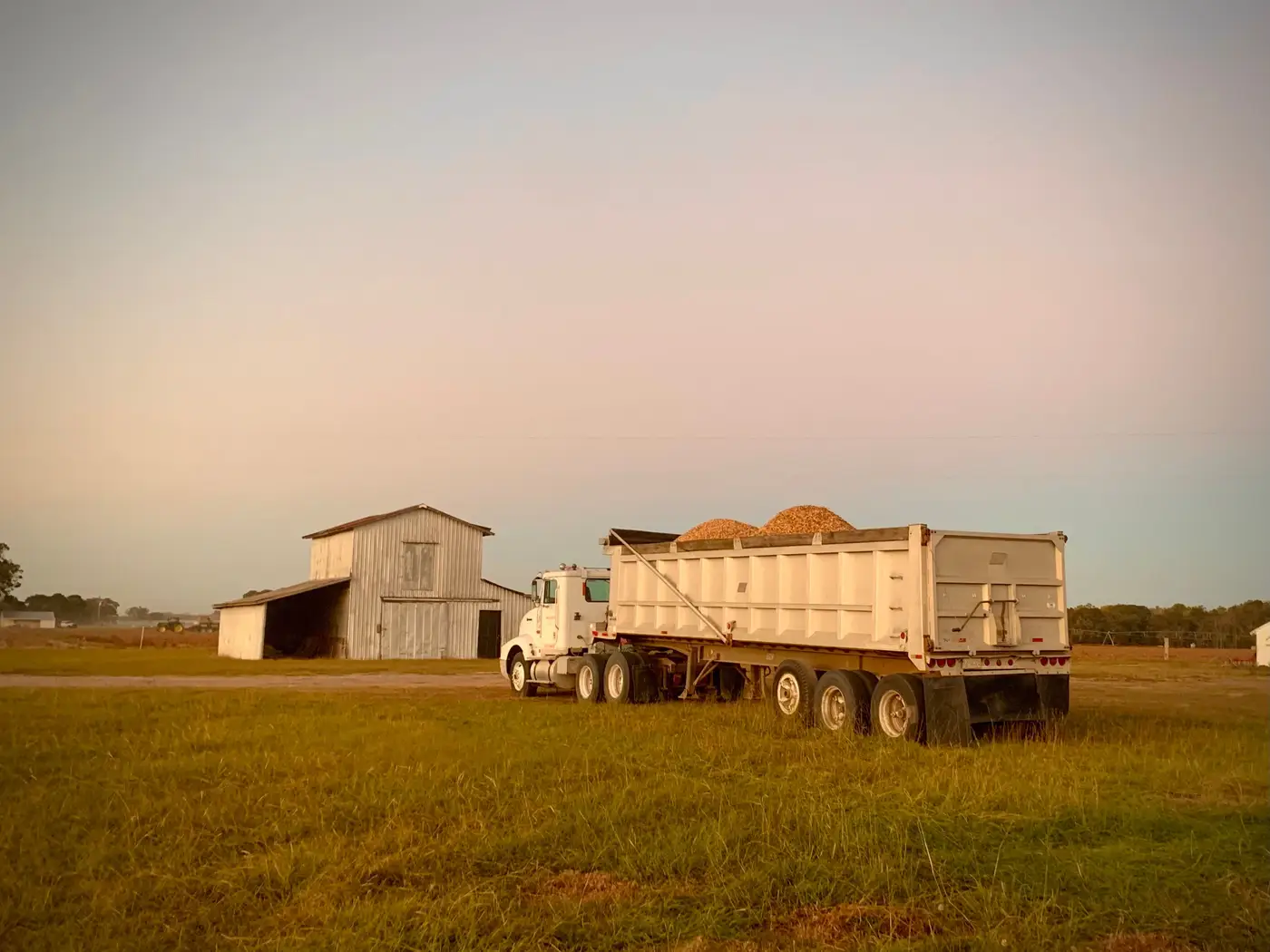
Two numbers cross your desk every week during harvest: the percent of your draw area showing as harvested, and the bushels that actually hit your scale. They almost never match, and that gap is doing something useful if you know how to read it.
Why the two numbers never line up
A field can be combine-done and still sit untouched by a truck for days. Farmers cut when the grain's ready and the weather cooperates, then haul on their own timeline, working around other fieldwork and bin space at home, or waiting to see where basis lands before they commit a load. A percent-harvested layer built from satellite passes picks up the cutting. It doesn't know anything about the trucking decision made at the farm gate.
So you'll see weeks where the harvested-area line climbs fast and your scale house volume barely moves. Usually that means grain is parked in a farmer's bin waiting on basis, a hauling crew is three fields behind, or a neighbor's elevator is getting the first load because it's closer.
Reading the gap instead of just watching it
The gap itself is the signal, more than either number alone.
A wide and growing gap, a lot of area cut with not much showing up at your scale, usually means grain is stacking up on farms across your draw area. That's worth knowing a week or two ahead: time to line up extra drying capacity and check bin space, not find out when forty trucks show up on a Tuesday afternoon.
A gap that's holding steady or shrinking tells a different story. Farmers are hauling close to pace with cutting, which usually means on-farm storage is already tight or the basis call made waiting pointless. That's your cue that scale house volume is going to track the harvest front closely, and you can staff a few days out instead of reacting same-day.
Neither read takes a phone call to a farmer or a guess off a state crop progress bulletin written for a region three times the size of your draw area. It's a pattern sitting in two numbers you already have.
What the gap doesn't tell you
A percent-harvested layer won't tell you which specific farm is about to call in a load, and it won't predict basis. It's a region-wide read on how far the cutting front has moved, not a truck-by-truck forecast. Pair it with your own scale house history and you start to see which gap sizes, at which point in the season, tend to turn into volume the following week.
That pairing is the whole point. Bushels delivered is a trailing number. It tells you what already happened. Percent harvested is a leading one. It tells you what's standing in the field right now, cut and waiting on a truck. Watching the distance between them is how you get a few days of runway instead of finding out about a surge the morning it lands on your scale.
If you're currently building that picture by calling around to other elevators or reading progress numbers meant for the whole state, a weekly harvested-area layer built for your specific draw area closes a lot of that gap on its own.
Worth running the two numbers side by side for your own elevator this season and seeing what the gap tells you before the trucks do.